
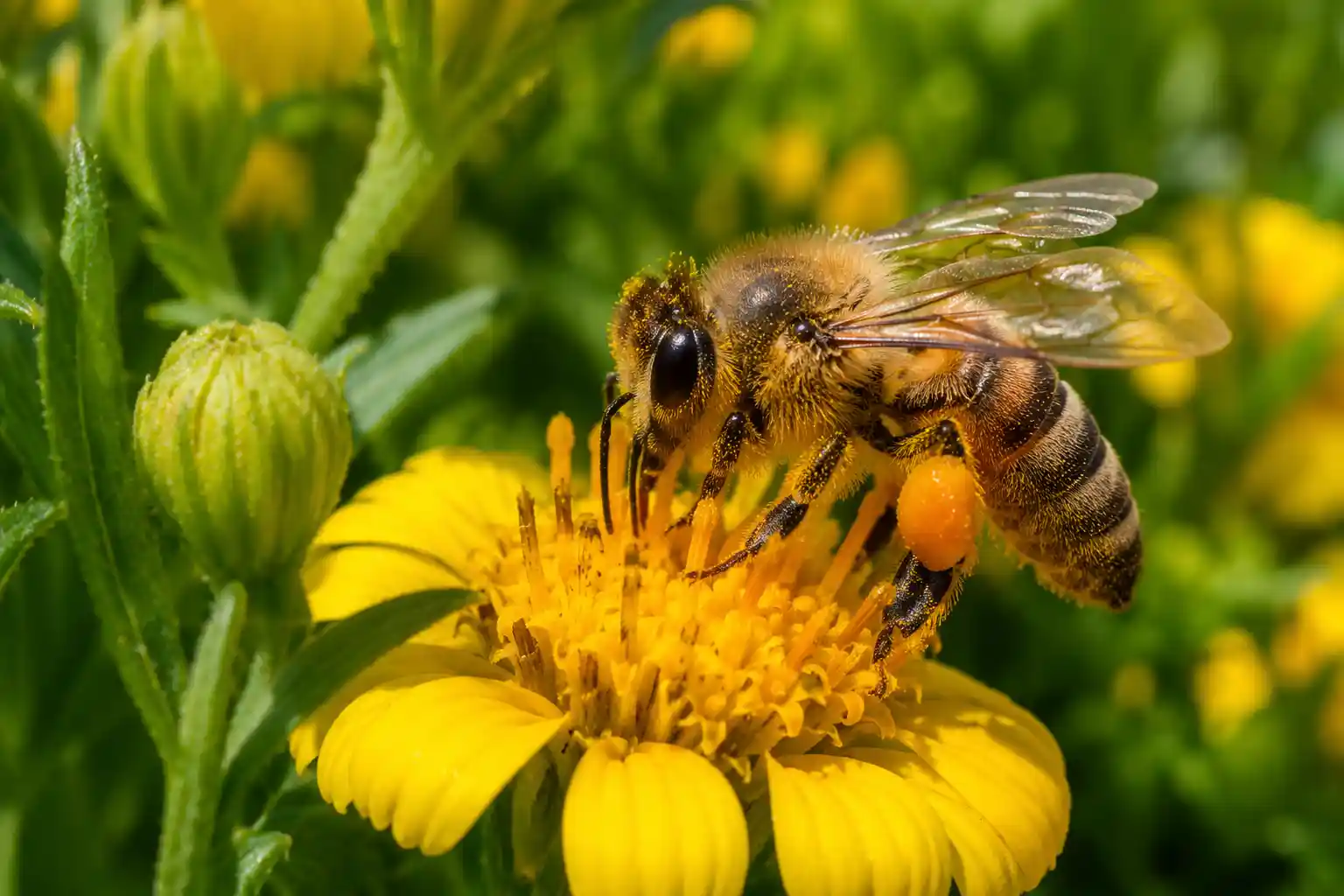
When most people think about bees, they think about honey.
But honey is only part of the story.
Bees are among the most important animals on Earth because they help plants reproduce through a process called pollination.
Without pollinators, many plants would struggle to produce fruits, vegetables, and seeds.
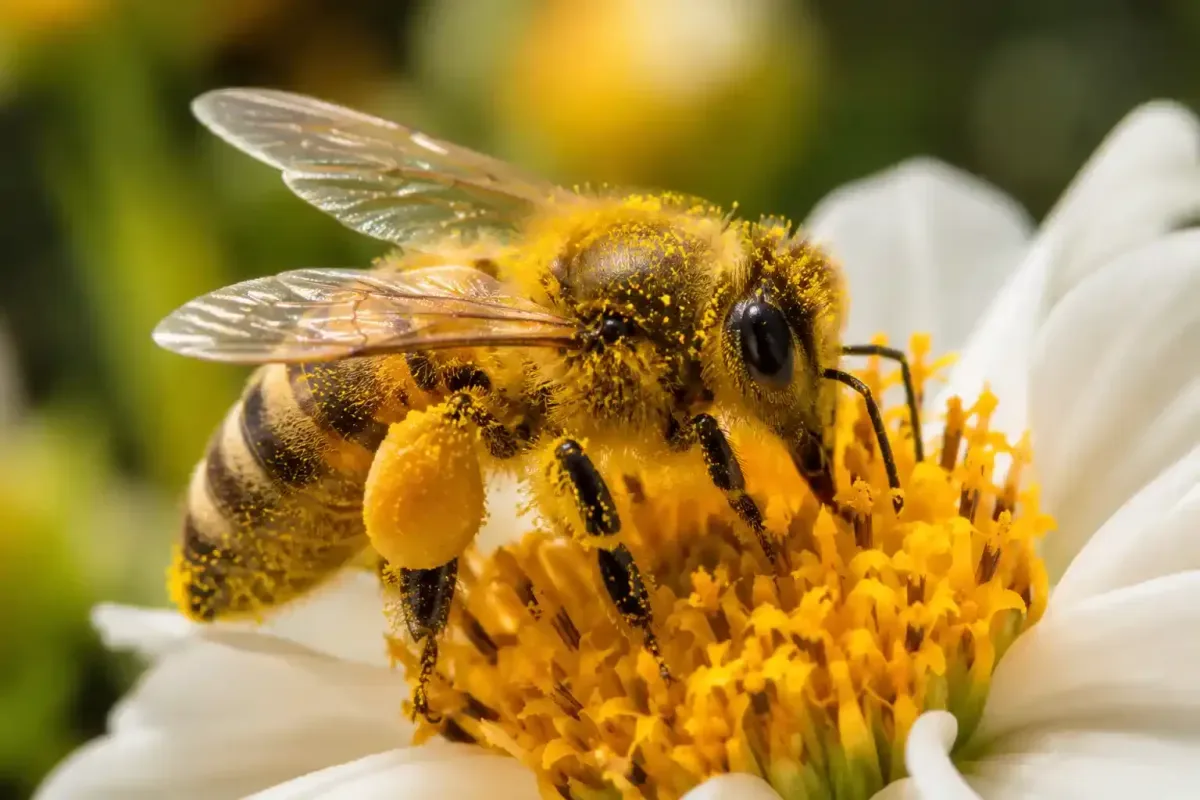
Inside a flower are tiny structures that contain pollen.
When a bee visits a flower to collect nectar, pollen sticks to the bee's fuzzy body.
As the bee flies to another flower, some of that pollen rubs off.
This helps plants create seeds and fruits.
Scientists call this process pollination.
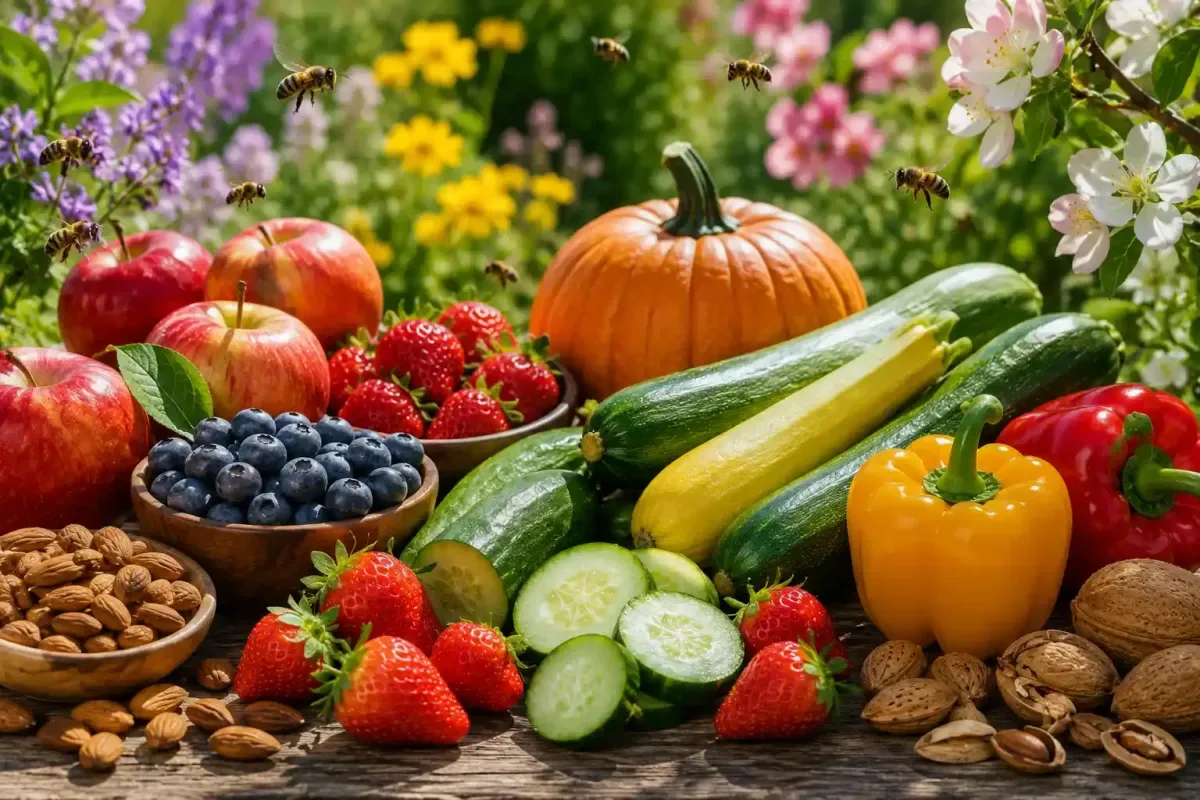
Many foods depend on pollination.
Apples, strawberries, almonds, blueberries, and cucumbers are just a few examples.
Even plants that humans do not eat often rely on pollinators.
These plants provide food and shelter for wildlife.
Because of this, bees help support entire ecosystems.
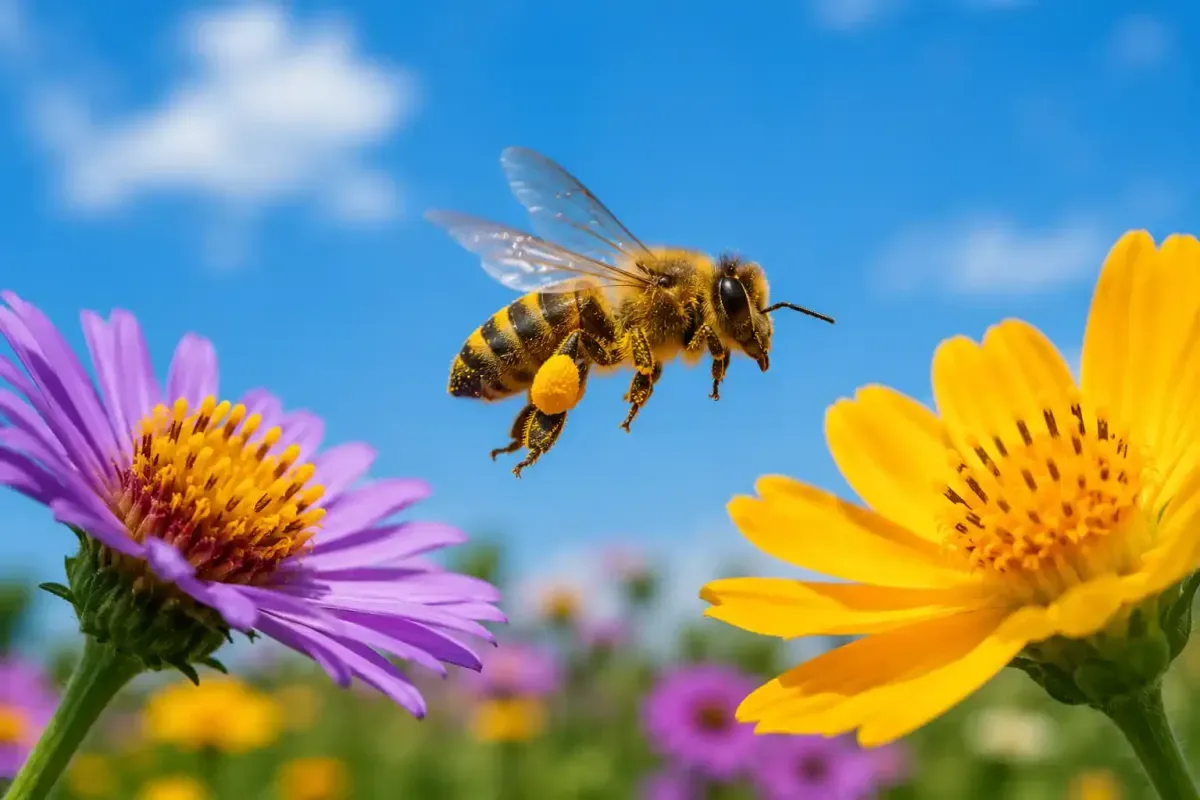
Bees are also incredible navigators.
Some species can remember where flowers are located and return to them again and again.
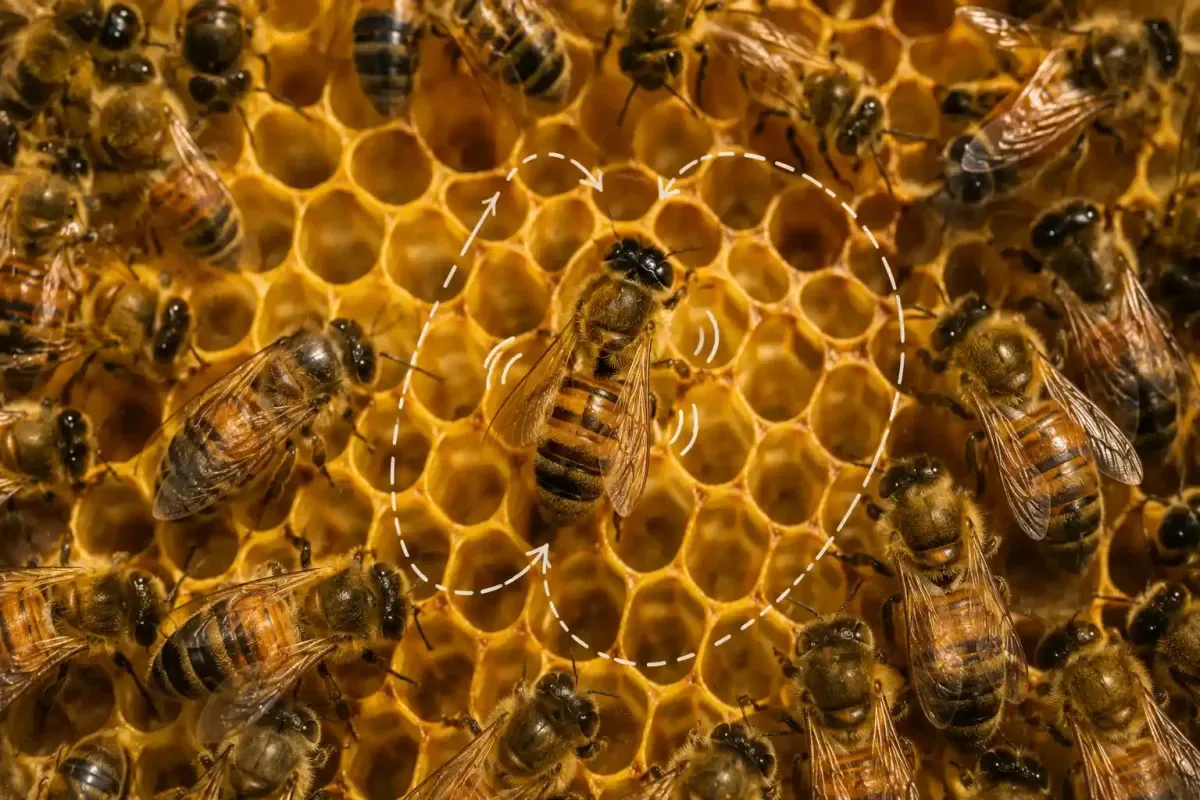
Honeybees even communicate with other bees through a special movement called the waggle dance.
This dance tells other bees where to find food.
Scientists have studied bee behavior for decades and continue to discover new things about these remarkable insects.
Today, bees face challenges such as habitat loss, pesticides, and climate changes.
People can help by planting flowers, protecting natural habitats, and avoiding harmful chemicals when possible.
Every flower planted can provide food for a hardworking bee.
The next time you see a bee visiting a flower, remember that you are watching one of nature's most important jobs in action.
Amazing Science Fact
A single honeybee may visit thousands of flowers in one day while collecting nectar and pollen.
Great Job!
You reached the end of today's learning adventure!